0%

Choosing a reliable contact lens supplier is more than a purchasing decision. It affects product consistency, delivery reliability, traceability, and the experience of people who wear lenses every day. A delayed shipment can leave an optometry practice short of a familiar prescription. A poorly documented product can raise questions that should have been answered before an order was placed.

The market is substantial. Grand View Research’s Contact Lens Market Size, Share & Trends Analysis Report estimated global market revenue at USD 19.1 billion in 2023. That figure describes market scale, not supplier quality. Buyers still need to examine practical evidence: clear product specifications, batch records, responsive service, and dependable stock updates. Small details matter.

Ophthalmologist and contact lens researcher Dr. Thomas Steinemann has emphasized that contact lenses are medical devices, not casual accessories. His point matters to supplier selection: a polished catalog is not enough. Look for a partner that can explain sourcing, quality controls, and product documentation without evasion. Ask how it handles a back order. Ask who responds when a shipment arrives with a discrepancy. Good answers should be specific. Still, paperwork alone is not proof of good service, and no supplier is perfect. That is worth remembering. A reliable contact lens supplier earns confidence through consistent, verifiable practices—not promises alone.
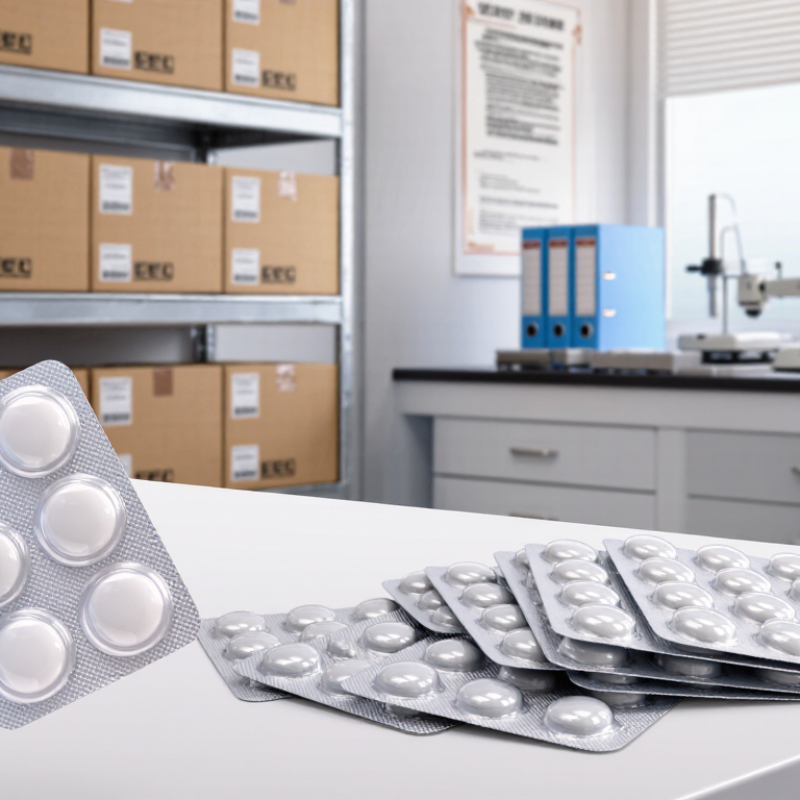
Why Choose a Reliable Contact Lens Supplier?

The Role of a Contact Lens Supplier in Eye Care

A contact lens supplier does more than move boxes from a warehouse to a clinic. A dependable supplier helps eye-care professionals obtain lenses with consistent specifications, intact packaging, and clear lot and expiry information. These details matter during a fitting: a clinician may need to check the lens power, base curve, and diameter against a patient’s prescription. Accurate records also make it easier to trace a product if a quality concern arises. Small details. They are easy to overlook when orders arrive on time.

Supplier support can also reinforce safe wear, though it cannot replace professional advice. The CDC’s 2017 report on contact lens hygiene found that 99% of surveyed U.S. wearers reported at least one risky behavior, such as sleeping in lenses or exposing them to water. That figure is a useful warning, not proof that every wearer faces the same risk. Reliable suppliers can provide current handling instructions and communicate product changes clearly, giving clinics better material for patient conversations. They should also respond promptly when packaging or product details seem inconsistent. A supplier cannot ensure someone follows instructions at home; that part remains uncertain. But accurate information, careful storage, and traceable inventory help eye-care teams make informed decisions for each patient.

Why Choose a Reliable Contact Lens Supplier?

The Role of a Contact Lens Supplier in Eye Care

A reliable supplier helps ensure you receive the lens type prescribed by your eye-care professional and can follow its recommended replacement schedule. These are common schedule categories; always follow the product labeling and your eye-care professional’s instructions.

Safety Standards and Product Quality

Why Choose a Reliable Contact Lens Supplier?
Safety Standards and Product Quality

A reliable contact lens supplier should provide clear evidence of consistent manufacturing and quality control. Look for traceable lot numbers, intact packaging, expiry dates, and documentation for sterilization and product testing. An ISO 13485 quality-management certificate can be useful, but it does not guarantee that every box is flawless. Paperwork matters. So does checking the actual shipment.

The risk is real. A CDC report estimated about one million U.S. outpatient and emergency visits for keratitis each year. It also found that roughly one in five reported contact lens-related eye infections involved eye damage, such as corneal scarring. These figures do not measure supplier performance directly, but they show why product integrity and handling deserve attention. A low price alone tells you little about either.

Tips: Ask for current quality certificates and lot-level traceability. Check that seals are unbroken and labels are readable. If a package arrives damaged, pause before using it and contact the supplier. It is easy to assume a familiar-looking box is safe; that assumption is not a quality check.

Why Choose a Reliable Contact Lens Supplier? — Safety Standards and Product Quality
Safety and Quality Dimension What to Verify Why It Matters
Regulatory authorization Confirm that the product and supplier meet the requirements of the market where the lenses are sold. In the United States, contact lenses are regulated medical devices; in the European Union, applicable medical-device requirements include the EU Medical Device Regulation. Regulatory compliance helps ensure that lenses are assessed and supplied under the rules applicable to their intended market. Requirements differ by country and product type.
Prescription controls Check that prescription lenses are supplied against a valid prescription and that the order matches its specifications. In the United States, even decorative, non-corrective contact lenses require a prescription. Contact lenses sit directly on the eye. Incorrect lens parameters or unsuitable wear can contribute to discomfort, injury, or infection.
Manufacturing quality system Ask for evidence of documented quality controls, production records, and corrective-action procedures. ISO 13485 is an internationally recognized quality-management standard for medical-device organizations; its applicability or certification requirements depend on the market. Consistent controls help identify production problems, manage changes, and support reliable product quality from batch to batch.
Sterility and packaging integrity Verify that lenses labeled sterile are supplied in intact, sealed packaging and that the manufacturer has validated the relevant sterilization and packaging processes. A damaged or compromised sterile barrier can increase the risk of contamination. Do not use a lens if its package is open, leaking, or visibly damaged.
Product specifications Review the labeled lens material, base curve, diameter, power, and other applicable parameters. The ISO 18369 series covers contact-lens terminology, measurement, and related test methods. Clear, consistent specifications help eye-care professionals select and verify lenses appropriate to the wearer and intended use.
Lot and expiry traceability Check that packaging identifies the product and provides applicable lot or batch information and an expiry date. Ask whether distribution records can support tracing affected products when needed. Traceability helps suppliers and authorities identify and manage specific batches if a quality issue or safety notice arises.
Storage and handling Confirm that products are stored and transported according to the manufacturer’s labeling, including any stated temperature or handling conditions. Following labeled storage conditions helps protect packaging and product quality throughout distribution.
Complaints and recall readiness Look for a documented process to record product complaints, investigate reported issues, communicate safety information, and support recalls or corrective actions when required. Effective post-market processes help problems reach the right parties and support timely action to protect lens wearers.

Product Selection for Different Vision Needs

Why Choose a Reliable Contact Lens Supplier?
Product Selection for Different Vision Needs

Contact lenses should match a person’s prescription, eye shape, and daily routine. Single-vision lenses may correct myopia or hyperopia. Toric designs address astigmatism, while multifocal options can support age-related near-vision changes. The right category still needs a professional fitting. A prescription is not a guess.

The World Health Organization’s 2019 World Report on Vision estimated that at least 2.2 billion people have near or distance vision impairment; at least 1 billion cases could have been prevented or remain unaddressed. This is not a contact lens user count. It does underline the need for accurate assessment. In practice, a supplier with a broad, clearly documented range can help eye-care professionals match lens parameters to prescriptions, rather than forcing a near-fit.

Comfort matters, too. Dryness, long screen hours, and outdoor activity can affect lens choice, but one material does not suit everyone. A reliable supplier should provide clear specifications, replacement schedules, and consistent stock, so a wearer is not surprised by a changed fit. Small details matter. I have seen “almost the same” parameters treated as interchangeable; they are not. Patients should follow their eye-care professional’s advice, especially when discomfort or blurred vision appears.

Supply Reliability and Customer Support

A reliable contact lens supplier does more than confirm an order. They provide clear stock information, realistic dispatch dates, and timely updates when plans change. For a clinic or retailer, a brief delay can disrupt appointments and leave customers waiting. Small details matter.

Good support should make routine checks easy. Staff should be able to verify product specifications, packaging details, and expiry information before an order is accepted. When a carton arrives with damaged packaging, a helpful support team explains the next steps and records the issue without unnecessary back-and-forth. Keep written order records, too. They help resolve mix-ups.

No supplier gets every shipment perfect. What matters is how openly they handle a problem. Ask how delays are communicated, who answers urgent queries, and whether replacement procedures are explained in writing. A polished promise is not enough. Response times can vary, and a support contact may not solve every issue immediately. That is worth checking before relying on a supplier for regular orders. During a trial order, note whether updates arrive when promised and whether staff answer specific questions clearly.

How to Evaluate and Choose a Supplier

Why Choose a Reliable Contact Lens Supplier?

How to Evaluate and Choose a Supplier

Start by checking whether the supplier can provide clear product specifications, quality documentation, and traceability details. Ask how lenses are inspected, packaged, and stored before dispatch. Records should identify batches and make it possible to follow a product through the supply chain. Details matter.

Evaluate communication as carefully as pricing. A dependable contact should answer technical questions directly and explain what happens when an order is delayed or a shipment arrives damaged. Request realistic lead times, written terms, and a named point of contact. If answers keep changing, pause and ask for clarification. A neat catalogue is not proof of consistent quality.

Where possible, review samples through appropriate professional channels and compare them with the stated specifications. Check packaging condition, labeling, and whether accompanying documents match the product. Do not rely on appearance alone; lens safety and performance require proper verification. Ask how complaints are recorded and handled, and whether corrective actions are documented. No checklist catches everything. A supplier may meet paperwork requirements yet still communicate poorly, so assess the relationship over time. That judgment is not always tidy, but it is useful. Ensure your purchasing process also follows applicable local requirements and professional guidance.

FAQS

What should a contact lens supplier provide to eye-care teams?

They should provide lenses with consistent specifications, intact packaging, and readable lot and expiry details. Clear records help clinics check prescriptions and trace concerns.

Which package details should staff inspect?

Check the lens power, base curve, diameter, lot number, expiry date, and seal. Look closely. A familiar-looking box is not proof of quality.

Does a quality certificate guarantee every shipment is flawless?

No. A quality-management certificate can offer useful evidence, but it cannot guarantee every box is perfect. Inspect the actual shipment, too.

What should a clinic do if a package arrives damaged?

Pause before using it. Contact the supplier, describe the damage, and record the issue. Keep the order details for follow-up.

How can a supplier help clinics manage product changes?

They can share current handling instructions and explain changes clearly. This gives staff better information for patient conversations, though it cannot replace professional advice.

What makes supply support useful during routine orders?

Staff should receive clear stock information, realistic dispatch dates, and updates when plans change. Specific answers matter more than polished promises.

What should clinics ask about delays and urgent questions?

Ask who handles urgent queries, how delays are reported, and whether replacement steps are provided in writing. Response times may vary.

Why keep written order records?

Records can help resolve mix-ups and track shipment details. They are not exciting, but they can save time when something goes wrong.

Conclusion

Choosing a reliable contact lens supplier is an important part of supporting safe, comfortable eye care. A dependable supplier provides products that meet appropriate safety and quality standards, with clear information about materials, fit, and proper use. This helps eye care professionals and customers make informed choices while reducing the risk of issues caused by unsuitable or poorly controlled products.

A strong supplier also offers a selection suited to different vision needs, along with consistent availability and responsive customer support. When evaluating options, consider product quality, range, delivery reliability, transparency, and the supplier’s ability to answer questions and resolve concerns. Selecting a trustworthy partner can make it easier to find suitable lenses and maintain a smoother, more dependable experience over time.

Oliver

Oliver

Oliver is a professional marketing specialist who helps make the company’s products and services easier to understand and more useful to customers. With strong knowledge of the company’s offerings, he regularly updates its website with practical, informative blog articles. His writing explains......