Blog

10 Tips for Choosing a Contact Lens Factory
Choosing a contact lens factory is not simply a search for the lowest quote. The right partner must make consistent products, document its processes, and communicate clearly when something changes. A sample may look perfect under bright showroom lights. The harder questions concern how quality is checked across routine production runs.
A careful evaluation starts with the products you need, the markets you serve, and the production volume you can realistically forecast. Ask how the factory controls materials, monitors cleanroom conditions, tests finished lenses, and traces batches. Request current documents, then confirm that their scope matches the products and services being offered. Requirements vary by market, so avoid assuming that one certificate answers every question. Small details matter.
Communication deserves equal attention. Notice how quickly the team responds, whether answers are specific, and who handles technical concerns after an order is placed. Discuss sample approval, lead times, minimum order quantities, packaging, and what happens if a shipment fails agreed checks. Compare costs carefully; an unusually low price may leave important services unclear. No checklist can remove every risk, and a polished presentation is not proof of dependable production. I would also question my own assumptions: a large factory is not automatically the best fit, and a smaller supplier is not automatically more flexible. The ten tips ahead offer a practical way to compare candidates, ask better questions, and choose with evidence rather than promises.
Read more »
 By:Clara
- November 16, 2026
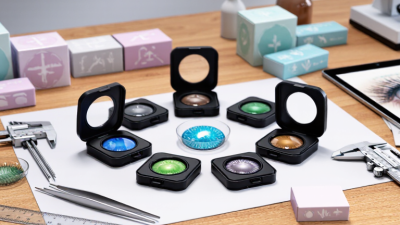
Top Colored Contact Lens Manufacturers for Global Buyers
Colored contact lenses are not simply a color choice; they are medical devices whose comfort and performance depend on materials, design, and proper fitting. For global buyers, choosing a colored contact lens manufacturer means looking beyond attractive product photographs and broad promises. Details matter.
A careful comparison should examine lens materials, available prescriptions, base curves, diameters, color consistency, and manufacturing controls. Buyers can request product specifications, quality documentation, sample lots, and clear answers about traceability and packaging. They should also confirm that product claims and labeling meet the requirements of each intended market, with qualified local guidance where needed. These checks do not guarantee a perfect partnership, but they make important gaps easier to spot.
This guide explores manufacturers through practical criteria, including production capability, communication, customization, and support after delivery. A polished catalog is useful, yet it cannot show how reliably a supplier handles a delayed sample or a color variation between batches. Ask direct questions, compare written responses, and verify claims rather than relying on sales language alone. The process can be untidy. Some details may remain uncertain until samples and records are reviewed. That is a reason to investigate carefully, not to assume every supplier is unsuitable. The goal is to help buyers make informed comparisons and build sourcing relationships grounded in evidence, product quality, and wearer safety.
Read more »
 By:Oliver
- November 11, 2026

Why Choose a Reliable Contact Lens Supplier?
Choosing a reliable contact lens supplier is more than a purchasing decision. It affects product consistency, delivery reliability, traceability, and the experience of people who wear lenses every day. A delayed shipment can leave an optometry practice short of a familiar prescription. A poorly documented product can raise questions that should have been answered before an order was placed.
The market is substantial. Grand View Research’s Contact Lens Market Size, Share & Trends Analysis Report estimated global market revenue at USD 19.1 billion in 2023. That figure describes market scale, not supplier quality. Buyers still need to examine practical evidence: clear product specifications, batch records, responsive service, and dependable stock updates. Small details matter.
Ophthalmologist and contact lens researcher Dr. Thomas Steinemann has emphasized that contact lenses are medical devices, not casual accessories. His point matters to supplier selection: a polished catalog is not enough. Look for a partner that can explain sourcing, quality controls, and product documentation without evasion. Ask how it handles a back order. Ask who responds when a shipment arrives with a discrepancy. Good answers should be specific. Still, paperwork alone is not proof of good service, and no supplier is perfect. That is worth remembering. A reliable contact lens supplier earns confidence through consistent, verifiable practices—not promises alone.
Read more »
By:Oliver
- November 11, 2026

Who Is the Best Contact Lens Manufacturer in 2026?
Choosing the best contact lens manufacturer in 2026 means looking beyond brand recognition. The right partner must deliver reliable optical performance, consistent production, and clear evidence of quality. Small differences matter: a lens that feels comfortable at the end of a long workday can shape a wearer’s trust.
The market is growing, but growth alone does not prove that a manufacturer is dependable. Grand View Research valued the global contact lens market at USD 20.4 billion in 2023 and projected an 8.5% compound annual growth rate from 2024 to 2030. The CDC estimates that about 45 million people in the United States wear contact lenses. These figures show the scale of demand, not the quality of any one supplier.
Look closer. A meaningful comparison should consider material options, design capabilities, documented quality controls, and the ability to maintain consistent specifications across production runs. For private-label buyers, transparent communication and dependable delivery also matter. Yet no single checklist can capture every user’s experience. Even a technically strong lens may not suit every eye or wearing routine. This guide examines how to assess a contact lens manufacturer using practical criteria and credible evidence, while separating measurable strengths from marketing claims. It does not declare a universal winner; the best choice depends on the product, market, and people it must serve.
Read more »
By:Oliver
- November 11, 2026